⚽️ What's working in FIFA World Cup marketing this year?
GET THE REPORTHow to measure sponsorship success at the 2026 World Cup

FIFA predicts that at the close of the 2026 World Cup, brands will have generated roughly $13 billion in revenue, making it the largest commercial World Cup ever. But with a record 48 teams competing during this year’s tournaments, brands are up against thousands of official sponsors and unofficial rival competitors when it comes to drawing in and keeping fans’ attention.
To distinguish themselves throughout the tournament, many brands are shifting away from passive branding and building their marketing around immersive digital and in-person activations that add to the fan experience and distinguish their brand from competitors — drawing in fans with high-stakes competitions,
In this post, I take a look at brands’ sport sponsorship strategy and sponsorship effectiveness during the World Cup as well as the most successful activations and effective sponsorship analytics and measurements for success.
Lessons in sports marketing: FIFA World Cup 2026
What can you learn from great examples of World Cup marketing this year? Get our exclusive report with the best tips and takeaways.
Official FIFA World Cup sponsors are competing with thousands of fellow official sponsors and other top brands vying for consumers' attention during the tournament.
Mass visibility leads many fans to develop logo blindness: with fans tuning out ads and branding during the tournament. In an environment of mass marketing saturation, passive exposure, like logos on jerseys and static ads on digital LED boards are often no longer effective at drawing fans’ attention. Brands must use attention-commanding digital and in-person experiential activations to deepen fans' experience throughout the tournament.
The rising cost of activation
The World Cup is projected to reach $1.8 billion in sponsorship revenue. With top tier sponsors like Adidas and Coca-Cola paying upwards of $100 million to secure their place as official World Cup sponsors, sponsorship alone is a huge expense for brands.
Production and build costs, amplification and staffing can all massively amplify these sponsorship fees. The World Federation of Advertisers and Lumency reports that sponsors who tracked activation spend an average activation-to-rights-fee ratio of 0.81:1. This means that for every dollar brands typically spend on sponsorship rights, they spend 80 cents activating them.
The high expense means that marketing teams feel a mounting pressure to justify investment and prove sponsorship ROI.
Brands are currently reinvesting 14.3% in evaluation, moving them away from a shallow focus on impressions and putting proving ROI at the center of measuring activation effectiveness.
The World Cup’s growing commercial opportunity
This year's World Cup features a record 48 teams (up from 32) and 104 matches. As mentioned above, the 2026 tournament is set to be the biggest commercial World Cup ever, bringing in over $13 billion in revenue. Sponsorships resonate with fans with 64% of Millennials and Gen Z football fans tracking sponsors and preferring them to other brands when making purchases.
But static logo placements no longer justify the hefty sponsorship fees. Brands now look to build out far-reaching multi-channel campaigns that drive the impact of their sponsorship both before, during and after the tournament.
Modern activations draw fans into an immersive experience across in-person fan zones, campaigns built around popular online creators in soccer, streaming and mobile apps.
There are five core metrics brands can use to measure the effectiveness of World Cup activations: attention, relevance, emotional impact, participation and business impact. These metrics help deliver a holistic view of sponsorship activation effectiveness.
Metric 1 — Attention
The first essential metric to track for a sponsorship activation is attention. Throughout the World Cup, brands are competing with hundreds of impressive activations demanding the attention of fans.
Our first metric sets the baseline: does your activation command fans to take notice?
Official sponsors are often foiled by their biggest competitors on brand awareness. During the 2017 tournament, 50% of consumers thought that Nike was an official World Cup tournament sponsor, despite Adidas acting as official partner and creating the iconic match ball for every tournament since 1970.
To measure this metric effectively, account for key attention benchmarks such as:
Paid impressions
Unprompted sponsor recall
Social conversation
Earned media volume
Metric 2 — Relevance
The relevance metric helps quantify and measure how connected the activation is to the brand. Is your activation a good fit for your brand in the eyes of fans?
Sports researchers note that there's a strong correlation between sports event-brand fit and brand associations (ρ = .767) — creating powerful associative memories for audiences.
Brands that ace the relevance metric understand the core difference between memorable and meaningful. Relevant activations are activations that understand and connect to the everyday fan experience and do so in a way that is unique and authentic to the brand.
Metric 3 — Emotional impact
An activation is successful if it creates positive brand associations for fans. Research shows that positive associations created during the World Cup directly increase consumer trust, relevance and purchase likelihood.
Emotionally-resonant activations cut through the marketing overwhelm of the game: amplifying fans’ excitement, joy, and sense of national pride. Emotional resonance often predicts creative effectiveness with emotion-driven campaigns successfully redirecting attention and breaking through consumers’ cognitive biases and resistance to advertising.
Jef Moore, Executive Creative Director at Mosaic, comments on the effectiveness of the emotion-focused Canadian activations promoting brands throughout this year's World Cup:
"One of the biggest strategic shifts we’re seeing is a focus on experiences over traditional advertising. Rather than trying to interrupt the moment, brands are looking for ways to contribute to it, creating spaces, experiences and utilities that enhance how fans gather, celebrate and participate throughout the city.
For many brands, that means activating beyond the official fan festival footprint and speaking to a broader audience that wants to be part of the energy surrounding the tournament, even if they’re not die-hard football fans. Successful activations are leaning into specific emotional territories tied to each brand. LEGO is focusing on joy and play through large-scale physical experiences, while Casamigos is building social spaces centred on friendship and connection."
Metric 4 — Participation
Effective activations invite fan engagement across channels. Contests and giveaways, user-generated content, fan zones and stadium experiences all encourage fans to interact with brands in a deeper way throughout the tournament.
In the last five years, video views for global soccer jumped 453%, showing increasing interest among fans for content they can create, share and interact with online.
Some of the most successful World Cup marketing campaigns appeal to fans with multi-channel activations that involve both digital and immersive in-person activations. BBDO Chicago developed the memorable campaign for Dove Men+Care's 2026 World Cup-tailored limited-edition product drops. The creative team drove brand awareness and engagement with:
Exclusive match ticket giveaways
Partnering with a diverse range of creators who shared fan rituals across social media
Interactive installations built across host cities like Kansas and Miami. The installations, “Bring to life game-day rituals and the toll they can take on the skin."
Metric 5 — Business impact
Arguably the most important metric when you’re measuring the impact of your sports marketing activities. The 2022 World Cup increased Adidas' revenue by 19% for instance.
Official sponsor Hisense reported that leveraging the momentum from the brand's World Cup localized retail activations helped drive up to a 20% growth in premium TV sales. Pankaj Rana, CEO and Executive Lead of Hisense’s regional World Cup activation divisions, stated: "We are seeing tangible business results... recording a 7–10% increase in premium TV sales, driven by growing demand for immersive, large-screen viewing experiences during the FIFA season. Based on current momentum, we expect this growth to reach 15–20% in the coming weeks."
It’s important to go beyond basic metrics like awareness and impressions in order to measure real business impact. Tie your activations to essential business metrics like brand consideration, purchase intent and sales and conversions and track these metrics throughout the length of your campaign.
Let’s take a look at the common denominators between the best World Cup activations.
They create fan value rather than brand visibility
The best activities center the fan experience. These are the brands that expertly connect to fans’ values, emotions and everyday experiences surrounding the tournament, from the game day rituals of getting together with friends for watch parties to experiencing the rush of their team winning a match, and the strong sense of national pride surrounding the tournament.
Unsuccessful brands are ignorant to the lived experience of fans, they prioritize brand building over connection and authenticity. Successful activations add to the fan experience from gamified in-person activations set up in fan zones to high-stakes sweepstakes across social media.
They extend beyond match day
The best activations go beyond match day. They’re fully integrated into the fan experience in both the run up and the wind down from the tournament: from the excitement that ramps up in the weeks before the first match to the emotional drop or celebration that follows a national team’s win or loss later in the tournament.
They adapt across markets and audiences
Effective activations are localized. Universal global creative won’t be as effective across all 48 nations.
For Coca-Cola's 2022 Believing is Magic campaign, the brand featured international fans from around the world celebrating their imagined country's win in the unique style of their home country. As part of the campaign, Coca-Cola partnered with sticker brand Panini, giving local fans the opportunity to collect exclusive stickers both digitally and physically.
They are measured continuously
Ineffective activations rely on traditional post-campaign wrap reports, failing to give marketers the opportunity to learn from their creative and campaigns as they go. Successful teams build their activations around real-time audience reactions, using these insights to guide every creative and campaign decision.
Because the World Cup is highly unpredictable, accumulating shock exits, euphoric wins and hotly-debated ref calls — measurement must be circular, continuous and agile. That’s why it’s so important to track multi-channel and multi-regional insights from the earliest stages of development.
Let’s take a look at some 2026 World Cup sponsors who have activations that connect with and convert the fans.

New entrants
First-time sponsors are often up against the competitive edge of decades-long heavy weights, putting the pressure on brands to impress fans with innovative activations that genuinely deepen the fan experience. New entrants can win fans’ attention with creative, out-of-the-box ideas and activations that are intimately in-tune with the fan experience.
Valvoline is a great example of how new sponsors can stand out among their well-established competitors by connecting with fans’ experiences of their routines and rituals built around travel for the World Cup.
Centered on the brand’s "For the Driven" brand philosophy, Valvoline's World Cup activation charts and celebrates the literal journey of the fans—rolling out high-energy sweepstakes, digital giveaways and host-city fan experiences built around the road trips and travel fans need to partake in to reach the tournament's 16 North American host cities.
This year also sees category-defining entrants like crypto-exchange Kraken enter into World Cup marketing. FIFA marketing has never had an "Official Crypto Exchange Supporter" category in its 100-year history.
To launch their partnership at the start of the tournament, Kraken sponsored several multi-city FIFA World Cup Countdown Concert series spanning key locations across the US, Canada and Mexico — blending music and soccer.
The brand paired these in-person events with an exclusive sweepstakes, offering fans trading on the app the chance to win over $60,000 in Bitcoin alongside a grand prize of 1 full Bitcoin.
Established sponsors
While established sponsors benefit from accumulated brand linkage, they’re often up against the creative success of their previous campaign — pushing them to innovatively evolve their activation strategies.
Coca-Cola is always a stand-out brand for World Cup activations. For the 2026 tournament, the brand leaned into the nostalgic, emotion-rich storytelling that's defined many of their previous World Cup campaigns with a focus on blending emotion-focused creative with immersive, localized in-person fan experiences.
Alongside their exclusive 75-stop global Trophy Tour, the brand set up interactive fan zones across all 16 host cities, deploying team-themed customization hubs and digital photobooths.
For their marketing for the tournament, Adidas released the 90s-themed street football film "Backyard Legends" — starring Timothée Chalamet, Lionel Messi, Bad Bunny, Lamine Yamal, Jude Bellingham and Trinity Rodman.
The iconic World Cup sponsor then took the premise of the film and scaled it into an event series dubbed "Home of Soccer," inviting fans to play soccer with the brand in dedicated activations across North America. As one example, the brand built a premium, physical dual-floor soccer pitch in Brooklyn Bridge Park in New York.
These are some of the most common mistakes brands make when building and launching their activations.
Confusing reach with effectiveness
Reach doesn’t equal effectiveness. And visibility doesn’t equal conversions. Your activation can be noticed by millions of fans and still not impact purchase intent or brand equity. Be aware of the metric trap: don’t put your marketing focus on refining your activation solely to improve metrics like social mentions without tying them to brand and business outcomes.
Overinvesting in celebrity partnerships
Celebrity partnerships are often a risky, expensive investment that may not pay off for brands. Many brands can fall into the trap of overrelying on star power, failing to build out an activation that’s as interesting as the celeb they feature.
Ads featuring stars like Beckham and Messi can lead to brand overshadowing. Dubbed the vampire effect, market research shows that ads featuring high-profile celebrities typically see a drop in actual brand recall. According to Zappi’s State of Creative Effectiveness report, while about 25% of ads contain celebrities, unsurprisingly, the presence of a celebrity is no guarantee of success. On average, ads with celebrities have equal effectiveness (as measured by sales impact) to ads without, but brand impact drops.

If you’re featuring a celebrity in your campaign or activation, it’s critical to ensure they make sense for your brand and don’t overpower it.
Creating experiences that lack brand linkage
It doesn’t matter how good your activation is if it lacks brand linkage. Fans should be able to tell your activation is for your brand immediately. Your activation should represent your brand values, personality and style as much as it resonates with and enhances the fan experience.
Many activations and campaigns feature similar messaging, audio and images. Take a beverage brand, cheering fans drinking from cold bottles can lead fans to automatically link a beverage activation with official sponsors like Coca-Cola. It's important to integrate your distinctive brand assets like colors, tone of voice across your activations to help fans immediately link your activations with your brand.
Measuring too late
Effective brands measure their campaigns before, during and after they launch. Use Zappi to get crucial early insights into how fans respond to concepts and creative well before launch and full-scale production. Measuring too late can lead to wasted budgets and activations that fail to connect with fans and impact real business outcomes.
Post-launch, it’s also important to continually track and measure both qualitative and quantitative metrics including:
Digital scans via QR or UTM codes
Content views and shares across social
First-party data from fans
Social listening tools that can help you understand shifting fan sentiment throughout the tournament
How can you measure World Cup sponsorship success in a fast, agile way?
Pre-event testing
Pre-event testing is essential for helping you understand exactly what kind of sponsorship activations resonate with fans before launch. Pre-tournament testing allows you to identify brand linkage gaps, message clarity issues and any issues surrounding effective localization and cultural resonance.
Use Zappi to test out a range of concepts and creative assets and to help you make sure you're building a campaign that genuinely resonates with the fans before significant budget allocation.
In-flight optimization
The World Cup is inherently unpredictable, from viral fan moments to underdog team wins.
In-flight optimization sets teams up for accommodating these unpredictable shifts throughout the tournament. This type of optimization involves setting up systems and processes that allow you to track and respond to regional sentiment and defining moments of the tournament in real time. Closely track fan sentiment and digital shifts (like viral memes or widely-shared videos) and switch up digital assets, promo drops and brand and campaign messaging to reflect key moments and changes.
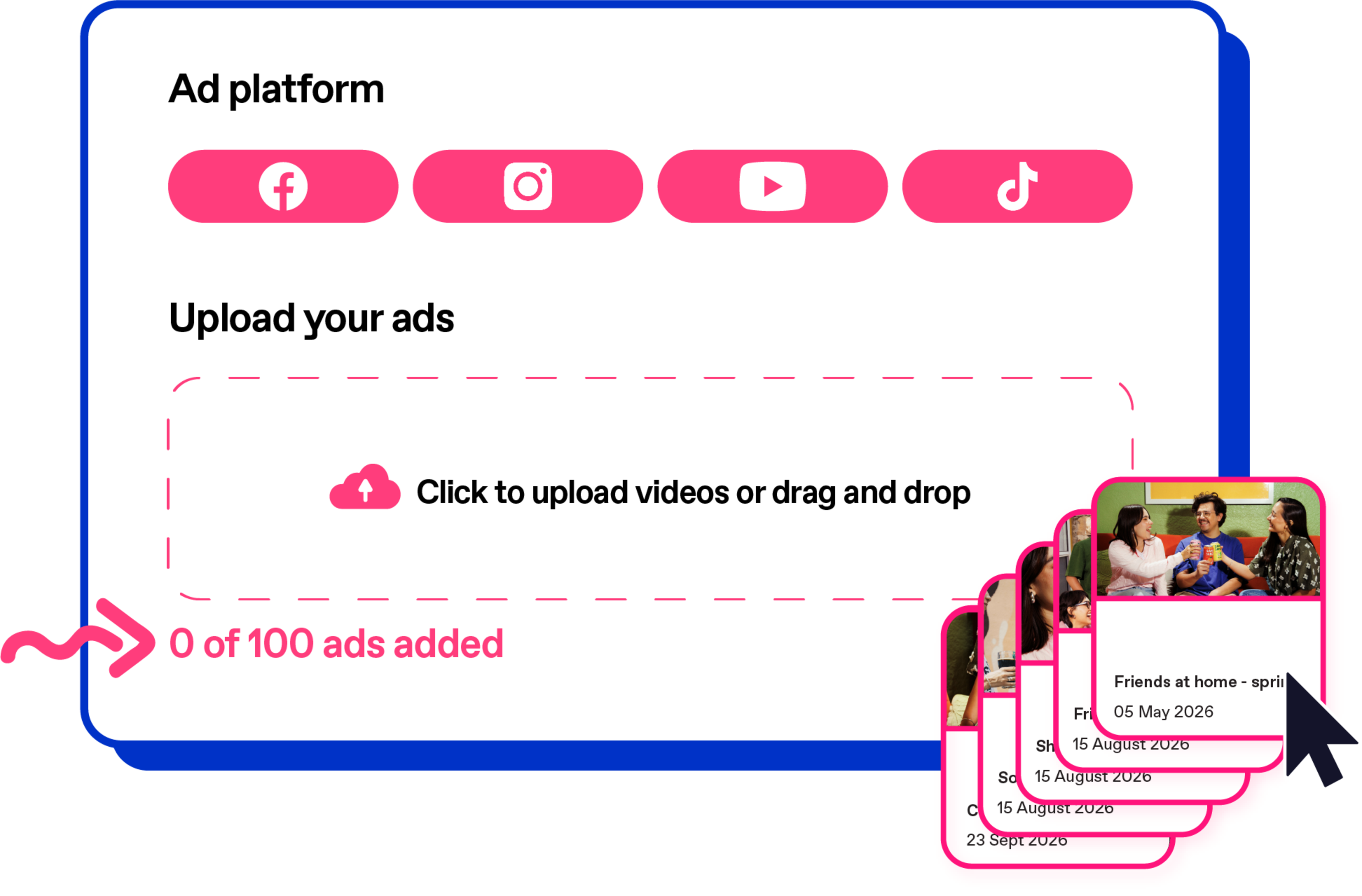
In order to achieve this, brands have to move fast, which is where tools like Zappi’s Amplify AI come in, allowing users to uncover fast brand signals at scale so teams can move fast to update and optimize for social settings before the moment has passed.
Post-event learning
Post-event learning is important for refining and improving the creative effectiveness of your future campaigns and activations. Effective post-event learning requires your team to have access to easy-to-digest actionable insights supported by processes and software that can synthesize, analyze and summarize cross-channel performance as well as consumer and brand data.
Beyond putting the right tools and systems in place, your post-wrap analysis should be highly structural. Compare your campaign's performance against pre-established KPIs across all five previously-discussed dimensions including: attention, relevance, emotional impact, participation and business impact.
Turning sponsorship data into future campaign performance
Insights infrastructure allows brands to innovate and build momentum with every future campaign. Maintaining a pulse with consumers at each of these stages helps you build a continuous learning loop — with data collected across your campaign that can directly inform future campaigns and activations.
The most successful brands continually measure, learn and innovate based on consumer insight — helping them to identify and recreate the spark from past activations while continuing to intrigue and engage fans with creative new experiences.
Brands like Coca-Cola and Adidas have solidified their status as iconic official World Cup sponsors because of their ability to iterate after every tournament, using past data to inform and refine future sponsorship activations and successfully build brand associations with the tournament as well as brand equity with fans.
Lessons in sports marketing: FIFA World Cup 2026
What can you learn from great examples of World Cup marketing this year? Get our exclusive report with the best tips and takeaways.


